Category: Bathroom

  • Focus on cleanliness and hygiene in the bathroom – Touch-free solutions upgrade

    Focus on cleanliness and hygiene in the bathroom – Touch-free solutions upgrade

    Cleanliness thanks to dirt- and bacteria-resistant surfaces, touch-free operation and hygienic comfort toilets: hygiene in the bathroom is more in demand than ever. The sanitary industry offers smart solutions for private and public bathrooms.
    Cleanliness and hygiene in the bathroom - Touch-free solutions

    Owners do not have to search long for suitable products. Almost all manufacturers offer smart solutions for growing hygiene requirements. But no one need fear sterile design! On the contrary, many products enhance the private lifestyle bathroom.

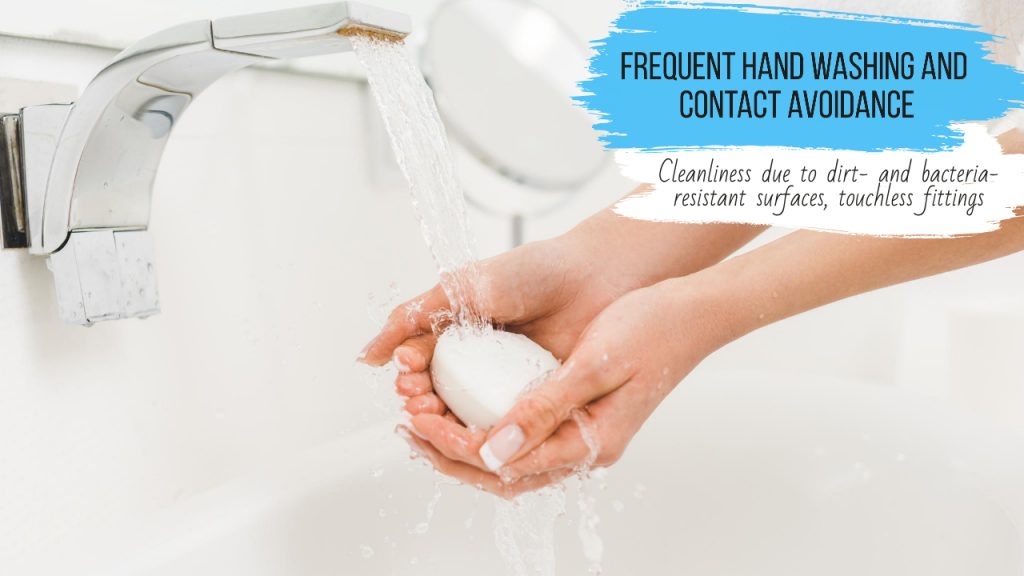
    Hygiene in the bathroom is a sensitive topic not only in times of Corona. But with the current concern for personal safety and the health of the family, with the almost reflexively practiced behavior of frequent hand washing and contact avoidance, it takes on an unexpected explosiveness. With the worldwide pandemic experience, bathroom cleanliness is once again coming into focus to such an extent that the hygienic product properties of sanitary equipment are once again becoming more important for consumers willing to renovate as well as for architects and for project planners of public facilities.
    Frequent hand washing and contact avoidance

    The topic is interesting from several perspectives at once: Hygiene properties of sanitary products are of interest from the point of view of preventive health care, but also because of their effect on care requirements, accessibility and, above all, on the sustainability of the bathroom. Hygiene functions often go hand in hand with the digitalization of home functions and are increasingly invisible in design. And in general: Measured against their great importance, sanitary hygiene features are conspicuously inconspicuous. That’s why it’s worth taking a closer look.

    Focus on hygiene in private and (semi) public areas

    The most obvious aspect when considering hygienic sanitary products is certainly the safety aspect – and not only for purely functional reasons, but also because the development of the bathroom into a lifestyle room increases not only the quality of the stay, but also the length of stay, and thus also the expectation of a feel-good atmosphere. After all, we seek comfort time in the bathroom and don’t want to constantly worry about bacteria and viruses.

    The private bathroom plays an important role in hygiene – all the more so in times when many family members use the bathroom throughout the day. To ensure that it does not become a breeding ground for unwanted germs and bacteria in the humidity and heat that always occur here, care measures and simple rules of behavior such as good ventilation play a role in addition to modern equipment.

    In semi-public and public spaces, the issue of hygiene is currently even more relevant. The hospitality industry has to develop new hygiene concepts, and many sanitary facilities for offices, event locations or in public spaces have to be adapted and retrofitted to meet increased hygiene requirements. The sanitary industry offers numerous solutions for this, both for the private and the (semi-) public sector.

    Product care and environmental friendliness
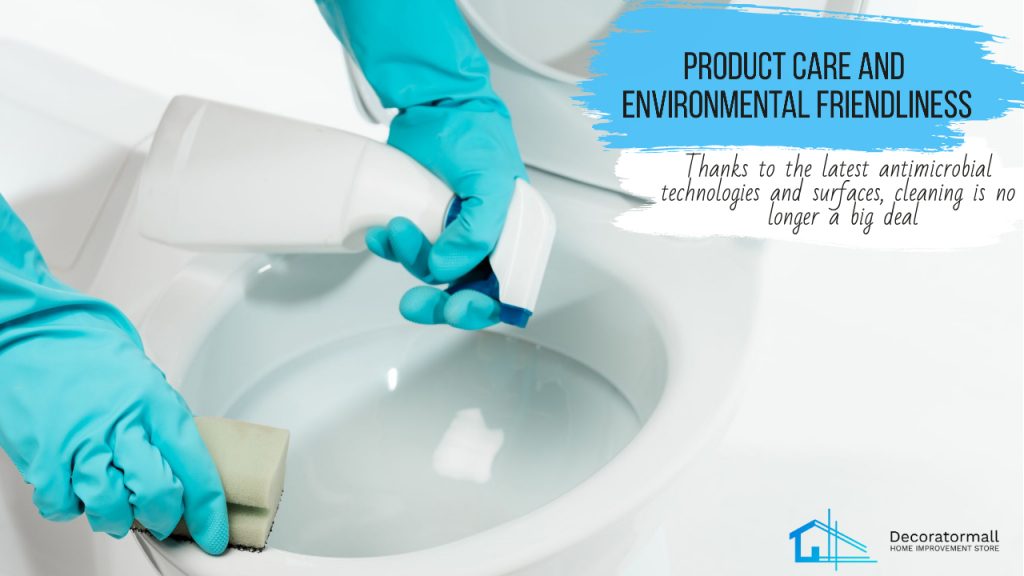
    Product care and environmental friendliness

    The care properties of sanitary products are often directly linked to the issue of hygiene. Thanks to the latest antimicrobial technologies and surfaces, cleaning is no longer a big deal. Special ceramic surfaces for washbasins and WCs, for example, make care significantly easier (e.g. KeraTect from Geberit or AntiBac and CeramicPlus from Villeroy & Boch). This is a coating baked into the ceramic, on which dirt and limescale do not adhere, so that residues run off more easily with the water. In addition, according to the manufacturers, bacterial growth is significantly inhibited. There are also similar solutions for vanity consoles and toilet seats that prevent microbial growth. Modern toilets also have a water flush that does not require a flushing rim and thus offers hardly any points of attack for bacteria or germs. Another advantage is the environmental friendliness during maintenance, as aggressive WC cleaners can largely be dispensed with here.

    New features for the Toilet

    When it comes to minimizing manual surface contacts, the digitization of toilets and fittings in particular offers major advantages. For example, some toilet actuator plates conceal sensor technology that can be used to trigger the flush completely without contact (e.g. Visign for Style 25 sensitive from Viega). This involves wiping the hand past a function field (graphically highlighted by gridded light points). Villeroy & Boch offers a toilet with a “think-along” function that flushes independently if the user forgets to do so or cannot trigger the flush themselves. This prevents the formation of germs due to stagnant water when the toilet is empty or when the user is traveling.

    Modern shower toilets often offer even more functions than touchless flushing. For example, many shower toilet models no longer even require the user to touch the lid – such as the Sensia Arena model from Grohe. Sensor control allows the lid to open and close automatically when a user approaches the toilet. Some shower toilets even have a Bluetooth interface (e.g. Mera from Geberit) and can be operated using a smartphone. In addition to technological progress, the standard of cleanliness established by the increasing acceptance of shower toilets is certainly also a cultural advance. The targeted and thorough intimate hygiene with a pulsating shower jet conveys a daily feeling of freshness. Depending on the equipment, the shower toilets have an integrated self-cleaning function.

    Touch-free even in the private bathroom

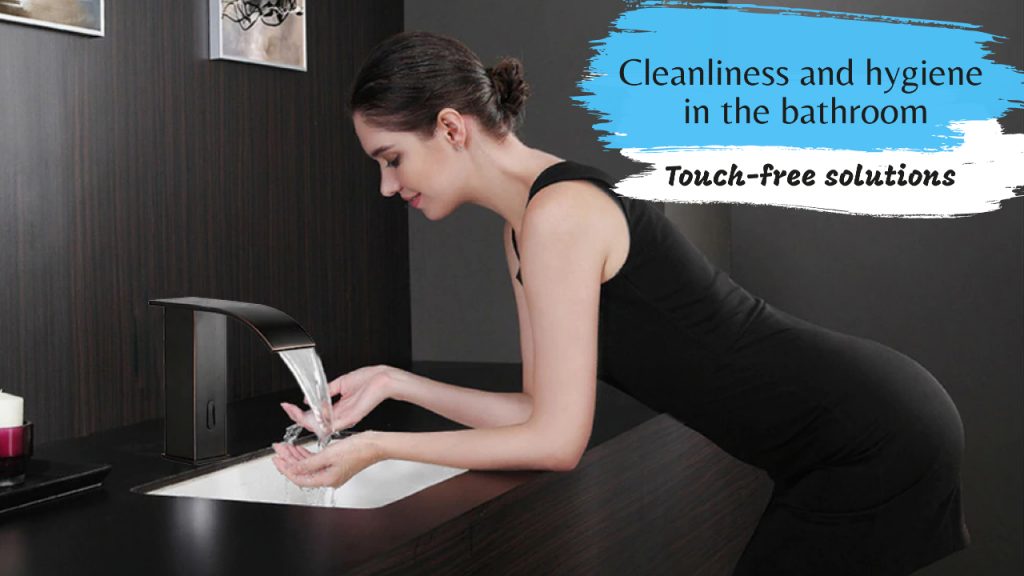
    When it comes to caring for washbasins and faucets, another advantage of touchless models becomes clear in addition to improved hygiene: Since no operating element needs to be touched, hands generally remain under the spout while washing hands; thus, no water drips from hands onto the mixer. This results in fewer water spots and limescale residues on the surface of the mixer, and the cleaning effort remains low. With some Kludi models, it is also possible to deactivate the sensor system when the sink is being cleaned.

    An almost touch-free hygiene concept can be implemented for the private bathroom. Thanks to touch-free soap dispensers such as the one from Keuco’s Plan series, there is no longer any need to touch anything when lathering up. In addition to its function as a dispenser for foam soap or disinfectant foam at the washbasin, it can also be used as a hygiene foam dispenser at the WC. With a little hygiene foam, a normal toilet paper can be easily transformed into a wet wipe that can be thrown down the toilet without hesitation. This is particularly interesting for toilets in public spaces where the use of shower toilets is out of the question.

    Sensor technology in public sanitary facilities
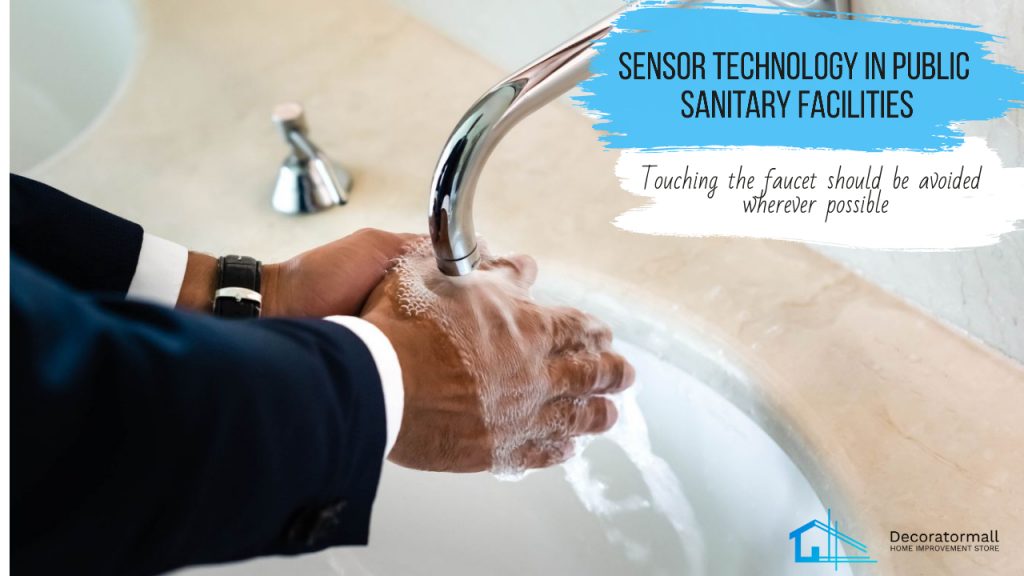
    Sensor technology in public sanitary facilities

    In public or semi-public facilities, hygiene has proven to be a particularly sensitive area. Washbasins and toilets in office complexes, restaurants, fitness studios, hotels, event venues, schools or universities, but especially in hospitals and nursing homes, belong on the test bench. Touchless products will play a key role in this. The technology is mature and can help to implement the hygiene requirements that have grown with the pandemic experience. After all, it is precisely touching the faucet that should be avoided wherever possible. Conventional faucets are first touched with unwashed hands, which could transfer germs and viruses to the faucet surface. At the same time, new germs and viruses could possibly be picked up through cross-contamination after washing.

    Touch-free faucets are therefore a good alternative for making the so vehemently propagated hand washing more hygienic. Moreover, the faucets hardly differ in appearance from conventional models: Due to the progressive miniaturization of sensor technology, the design of the fittings can be adapted to the architectural environment.

    Dornbracht goes one step further with its Touchfree variant, which is compatible with all of the manufacturer’s fittings series. The system, based on high-frequency technology, detects movement even without an infra-red eye. The HF sensor is positioned below the washbasin, invisible to the user. Functions such as temperature setting, follow-up time or cleaning stop can be set via a separate, live system box. The range of the sensor can be adapted to the wishes of the operator or the conditions of the room. In addition, the automatic start-stop function can save a considerable amount of water during prolonged soaping and hand washing – a not inconsiderable energy-saving advantage, especially when hot water is used.

    With modern faucets, water flow time, sensor sensitivity or automatic hygiene rinsing can be set via app using a smartphone or tablet. Cleaning times, rinsing intervals and rinsing duration are individually adjusted. Faucets are available both mains- and battery-powered, with low-energy electronics ensuring a long service life without battery replacement. When retrofitting with a sensor mixer, the battery variant is recommended in many cases, as there is no need to pry open tiles to lay cables.

    Hygiene measures in the bathroom often also sustainable

    Hygiene in bathrooms and public sanitary facilities has been a trendy topic not only since the Corona crisis. The sanitary industry is therefore already in a position to respond to the current increased demand for particularly hygienic product concepts with a whole range of innovative products for washbasins and toilets.

    Hygiene products in the bathroom undoubtedly represent a growth market. And with many of the hygienic sanitary products, the aspect of sustainability is already included. Less water used for toilets and hand washing, energy savings through on-demand flow of hot water, reduction of cleaning agents, touch-free comfort functions in private bathrooms and hotel bathrooms, long periods of use thanks to durable design and high quality standards: the hygiene ideas of the sanitary industry are not only effective and increase comfort, they are also sustainable.

     

    Focus on cleanliness and hygiene in the bathroom pin

    Don’t compromise on cleanliness and hygiene in your bathroom! Upgrade your faucets to touch-free solutions for a safer and healthier experience. Browse through our online shop’s bathroom faucet section to find a wide range of modern options that allow you to set water flow time, sensor sensitivity, and automatic hygiene rinsing via an app on your smartphone or tablet.

    With individually adjusted cleaning times, rinsing intervals, and duration, our touch-free faucets are available in both mains- and battery-powered options. Plus, low-energy electronics ensure a long service life without battery replacement. If you’re retrofitting with a sensor mixer, we recommend the battery variant, as there’s no need to pry open tiles to lay cables.

    So, what are you waiting for? Check out our online shop now and make your bathroom a safer and more hygienic space!

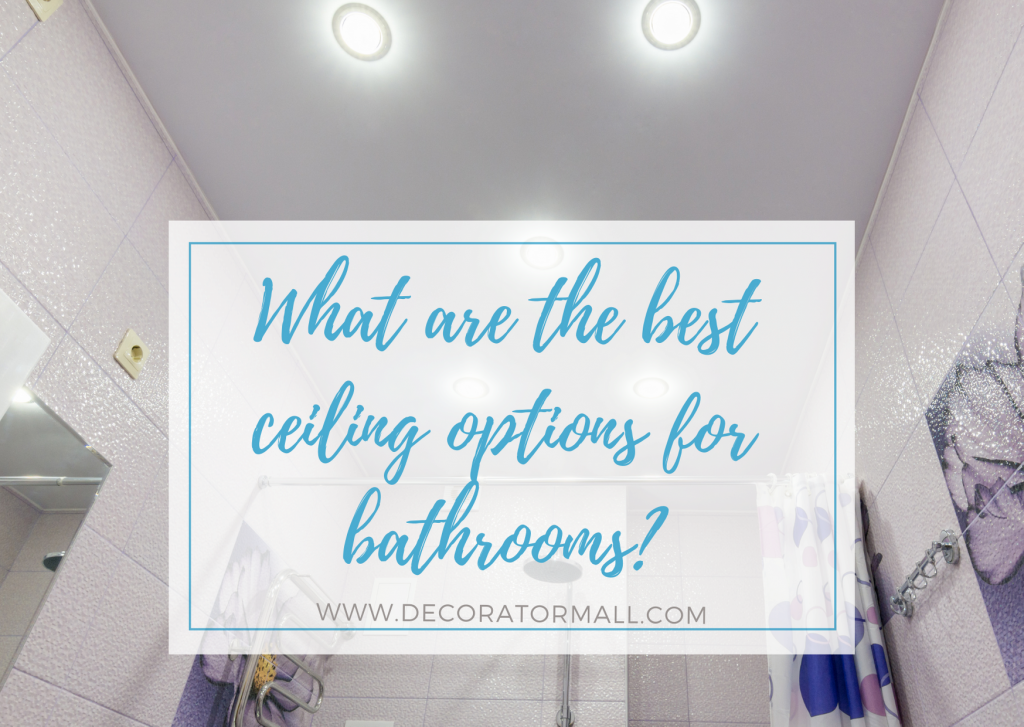
  • What are the best ceiling options for bathrooms?

    What are the best ceiling options for bathrooms?

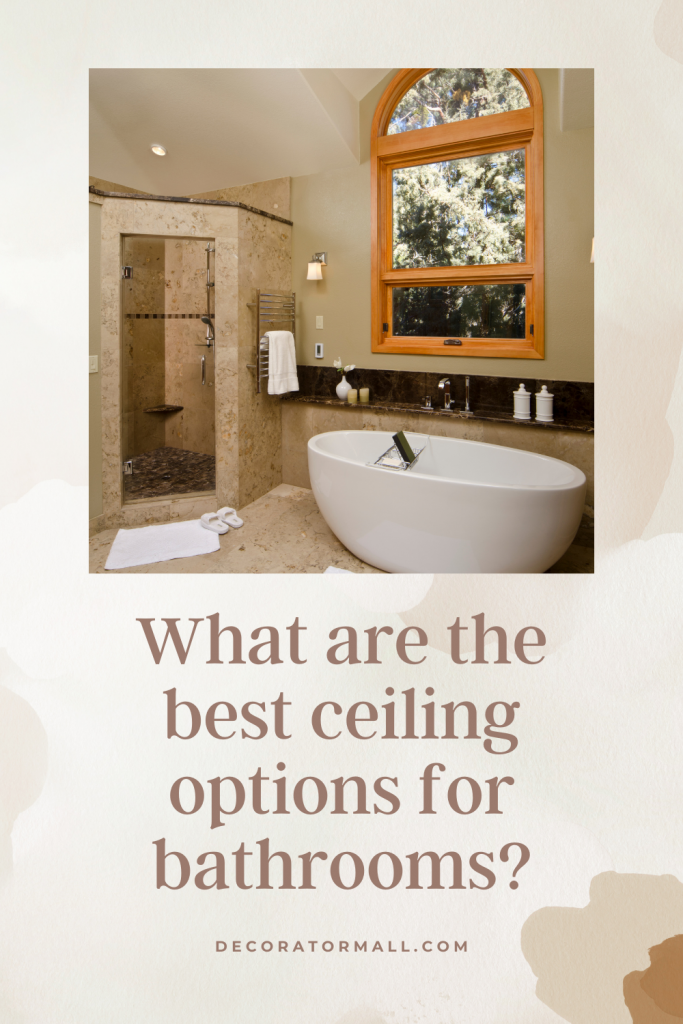
    The bathroom is usually the smallest room in a home – so doesn’t it rather matter what the ceiling looks like? As long as it is neat and clean? No, you shouldn’t look at it that way. Today, the bathroom is the wellness room in a home, so the ambience is also important, and you can’t ignore the ceiling. And: It is humid in the bathroom. Not every material can cope with that equally well.

    What are the best ceiling options for bathrooms?

    Nevertheless, there are many possibilities. The choice must therefore be well considered. Everyone has to decide for themselves. But we will show you several options here for your consideration.

    Exposed concrete – something special for new buildings

    Is it about the bathroom design in a new building that is yet to be built? Then you are lucky and can choose between most options. For example, a ceiling made of exposed concrete can also be considered – but it must be installed from the very beginning. This is somewhat more expensive than other solutions and is therefore probably only suitable for owner-occupied homes.

    In addition, an exposed concrete ceiling must be produced with the highest level of professionalism – so it’s not for do-it-yourselfers. For these, however, there is a consolation – plasters and even wallpapers are offered in the exposed concrete look. But it’s just not quite real.

    Painting – but the right way

    Painting - but the right way

    Let us therefore turn to the more common, because also cheaper options of ceiling design. The simplest is to paint an existing ceiling. This means the greatest choice, especially in terms of color. It becomes more difficult when a ceiling must first be straightened, i.e. sanded down. This is either a lot of work or expensive. When painting, it is always important to prime with a deep primer – so that the paint will last and the color tone will be even.

    And then there is the question of the type of paint. There are special damp room paints that contain additives against the formation of mold. If you want to achieve this without chemicals, you can use lime paint, which you can color as you like with pigments. It is not advisable to use sealing latex paints. It is best to get the paint in specialized stores and discuss the choice with the expert.

    Plastering – not for do-it-yourselfers

    Plastering - not for do-it-yourselfers

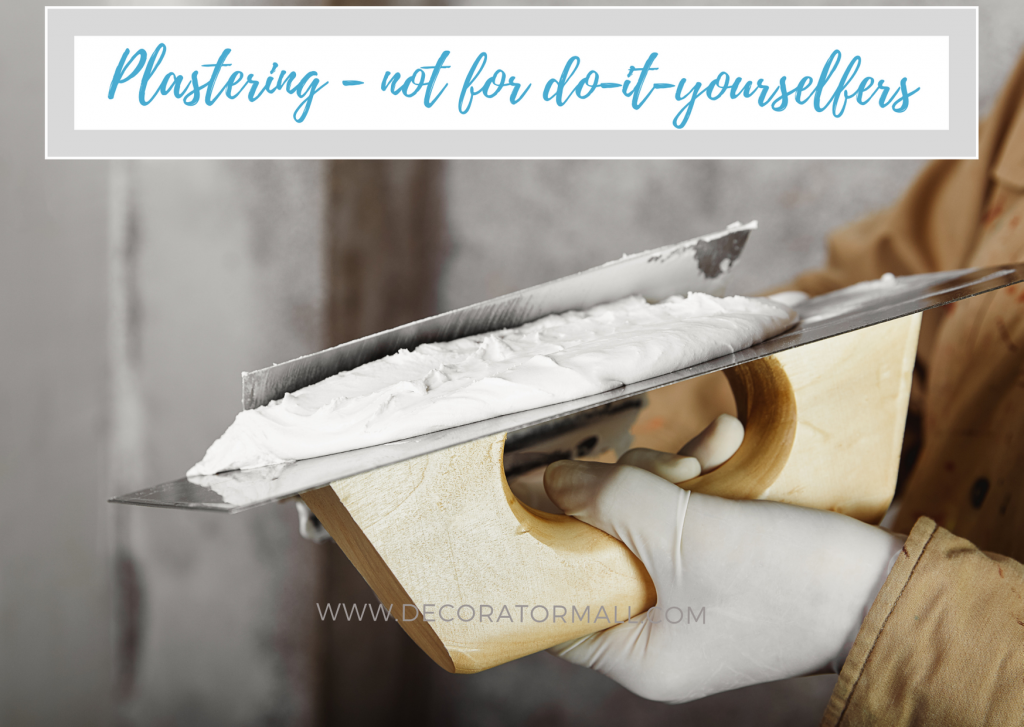
    You can also plaster a ceiling in the bathroom. With color and texture, you have a lot of design options; it’s a good idea to plaster the ceiling just like non-tiled walls in the room. However, plastering overhead is not for beginners. Either get a professional right away, or practice on a basement ceiling in a room that no visitor will ever see. If you really want to do it yourself, you can try roller or brush plaster, which is processed like paint, but looks almost like plaster.

    And again it comes down to choosing the right plaster. You should avoid all bags with the word plaster when shopping for the bathroom. Plaster almost magically attracts the mold. Lime plaster has the opposite effect and is recommended, in old buildings also clay plaster. It absorbs moisture well and releases it again, thus helping to balance the atmosphere of the room. In any case, the plaster should be mineral and breathable. In addition, the substrate should be primed so that the plaster adheres equally well everywhere.

    Suspended ceilings

    Suspended ceilings

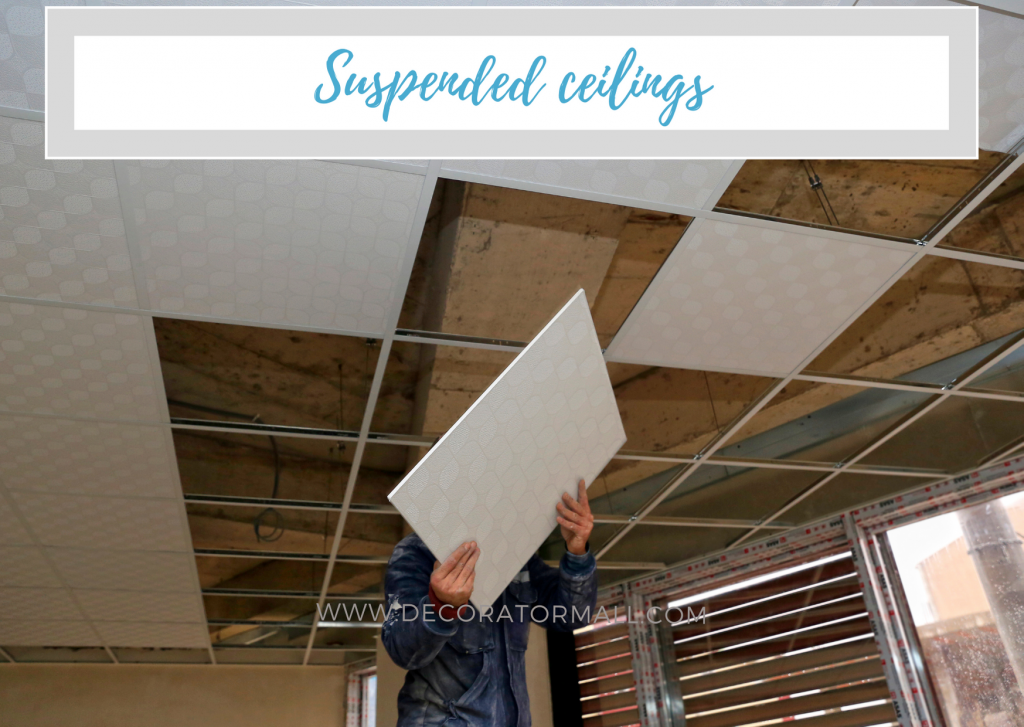
    If the existing ceiling is not suitable for plastering or painting, or if the bathroom is simply too high, then a suspended ceiling is an option. So you pull in a second ceiling with a certain distance. This has the advantage that you get a nice straight ceiling, in which you can also integrate spotlights as desired.

    Today, suspended ceilings are made with plasterboard. Instead of the traditional gray boards are usually used green boards, which are suitable for wet rooms. Quite new on the market are boards that are so resistant to moisture that they can even be installed outside. The higher price tag does not really matter for the few square meters that are usually involved in the bathroom.

    Substructures in drywall construction are made of wood or metal. Today, the professionals all work with specially offered systems made of metal, which even the layman can easily handle. In the bathroom, wood also has the disadvantage that it swells with a lot of moisture.

    Suspended ceilings can be painted and plastered, but also wallpapered. Sheetrock, which will subsequently be painted or wallpapered, require great care when filling the edges and fastening screws. Here you should definitely find out how to do it correctly.

    A suspended ceiling is very functional in the new bathroom. Good looking, it can hide electric wiring, ventilation pipes, and etc. A suspended ceiling can be of different types: metal or moisture-resistant gypsum-plaster.

    For the ceiling area increase, suspended ceiling boards should be mounted perpendicularly (a 90-grade angle) to the long wall or diagonally. For creation of the effect of a high ceiling, mirror boards or white mat boards with mirror fillets between them are used.

    A moisture-resistant gypsum-plaster ceiling can be made multilevel one of any shape: semicircle, diamond-shaped, oval, circle, zigzag lines with decorative cornice, into which daylight lamps can be installed. Spotlights can also be installed in the gypsum-plaster ceiling.

    Ceiling Panels

    If you want to cover the ceiling with panels, it is best to build a substructure of roof battens. This not only facilitates the attachment of the panels, but also creates space for the cables of spotlights, which are recessed into the ceiling. In addition, this way the cladding is ventilated and always dry. When installing, be sure to leave a gap all around for air exchange.

    Theoretically, you can also attach panels to a suspended ceiling made of sheetrock, but you have to solve the problem of the weight of the panels. If you want to have a suspended ceiling, it is best to build a substructure from roof battens at the desired height and do without the plasterboard.

    Important for panels is the choice of the right material. Products that are made entirely of plastic, do not cause problems. If wood is installed, it may have problems with moisture – it depends on the wood. In any case, it must be installed back-ventilated. It is best to use panels that are expressly intended by the manufacturer for use in bathrooms.

    Wallpaper – why not also on the ceiling

    Wallpaper today in wall design is no longer a must as it was in the past. But this does not speak against the idea. Wallpaper is available in many designs, but you should already resort to the special products for wet rooms. Especially for apartment tenants, it is a weighty argument that you can use it to customize the ceiling without the plaster surface underneath getting paint or drill holes.

    However, wallpaper requires, it should be remembered, a very smooth surface. It may therefore be necessary to fill and sand – these are not very pleasant works on a ceiling. And for uniform adhesion of the wallpaper paste, it is recommended to treat the surface with a primer.

    In one respect, wallpaper is like plaster: working overhead is not easy – it’s easy to lose your nerve when the sheets come at you repeatedly. Here, too, it is advisable to practice on an unproblematic basement ceiling if you do not want to hire a craftsman.

    Stretch ceilings

    If you want it to be particularly smooth and cool, you can have a stretch ceiling installed in your bathroom. The special look speaks for this variant – you just have to decide whether it fits into the overall concept of the bathroom or not. They are available in various surface textures, from matt to glossy, in all colors and many designs.

    However, stretch ceilings are not for do-it-yourselfers, but a project for professionals. This is because they are stretched with strips under the ceiling. After installation, they are briefly heated so that they contract and everything looks extremely smooth.

    However, stretch ceilings are not able to absorb even the smallest amount of moisture. If all the walls are then also largely tiled, this becomes a problem. Then you need to ventilate sufficiently, otherwise the water will condense on the ceiling and walls.

    Ceiling Lights

    Ceiling Lights

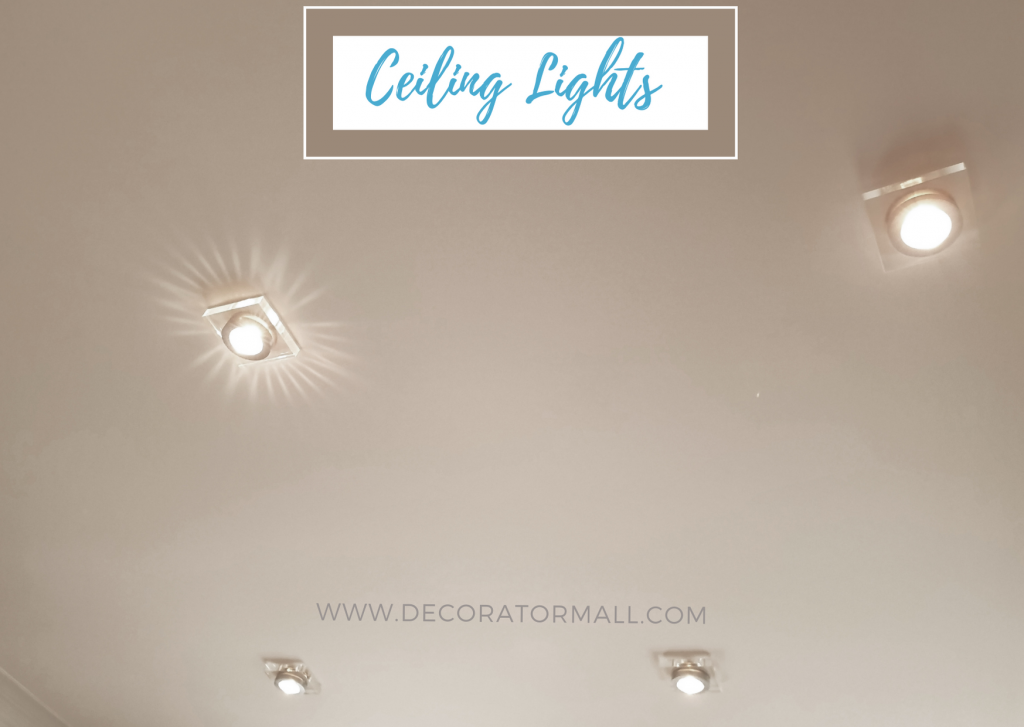
    Let’s turn to the lighting now. A new bathroom should be lit brightly. Bright light arises bright feelings, feelings of protectiveness and joy. A simple wall lamp creates a lot of unnecessary shadows, that is why it is better to replace it with spotlights, built into the suspended ceiling. There exist spotlights of various shapes and colors, with halogen bulbs and incandescent lamps. You should choose the type of light you need before making a renovation of your bathroom. Halogen bulbs produce sharp directed ray of light. If you need to highlight some place in your bathroom, it is reasonable to use a rotary lamp with halogen bulbs. You can get softer light out of halogen bulbs with the help of glass diffuser, preset in the shape of the lamp. Incandescent lamps produce more uniformly diffused, soft and bright light. For a bathroom lighting mirror with the built-in lamps will also fit.

    Other Important Points to Consider

    While making bathroom renovations one should also pay attention to the following important points:

    1. The bathroom floor. The most important and difficult subject of the bathroom renovation is the floor damp proofing. Tiny cracks can lead to a damp proofing malfunction, which will result in leakage and fights with neighbors.
    2. Pipe run. It is important to carry out pipe and new bathroom equipment assembly in a quality manner, in order to avoid leakages.
    3. When making a plan for your bathroom renovation, don’t forget about ventilation. If the bathroom has poor ventilation, condensate will appear on the walls and ceiling, mold will appear as a result of it, and the whole bathroom renovation will come to nothing.

    Bathroom renovation and decoration give place to unbounded flow of fantasy. Read more in our other blog entries.

    The best ceiling options for bathrooms

  • How to Clean a Showerhead

    How to Clean a Showerhead

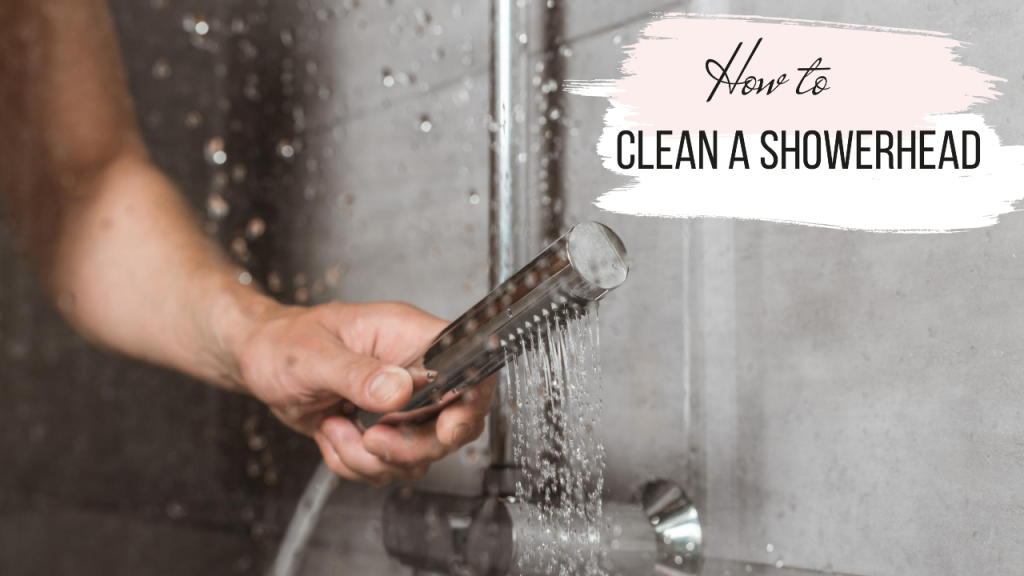
    Maintain your showerhead and keep the water flowing freely by removing mineral deposits such as limescale.

    How to Clean a Showerhead

    Showerheads commonly spray erratically since their little holes got plugged with mineral deposits. In order for water to flow freely, you need to remove limescale and other deposits.

    Cleaning your showerhead is also good for your family’s health. Wet settings like the one inside a showerhead are breeding premises for microorganisms. In fact, a current study by scientists at the Cooperative Institute for Study in Environmental Sciences discovered that residential showerheads often contain abundant quantities of Mycobacterium (a germs understood to trigger lung illness) expanding in the slimy film that lives inside your shower nozzle.

    Thankfully, you can descale your showerhead using a handful of home items. To find out exactly how to cleanse a showerhead, follow among our two expert-recommended methods. Both will certainly clean your showerhead overnight while you sleep, as well as one doesn’t also require utilizing any tools!

    Prior to you start cleaning a showerhead, determine simply exactly how negative the blockage is. If water is still coming out of the nozzle and a lot of the little openings seem clear, you most likely won’t need to get rid of the showerhead for deep cleaning. If the water circulation is extremely limited and also the accumulation appears severe, or if you attempted cleaning up the showerhead without removing it yet are still having water stress concerns, you could require to eliminate the head from the shower arm. Likewise, if your showerhead has a chrome, stainless steel, or other secured metal surface, attempt cleaning your showerhead while it’s still attached first. Devices can scratch those fragile coatings so prevent them if you can.

    Just how to Clean a Showerhead Without Removing It

    If you can not remove your showerhead or just wish to skip that step, you can remove surface area mineral deposits with this little trick that calls for nothing more than a rubber band, a plastic bag, and also some vinegar.

    Step 1: Use a plastic bag filled with vinegar

    Initially, slip a rubber band over the top of the showerhead. You could want to loop it around the shower arm one or two times so it’s tight on the pipes. Load a plastic bag with distilled white vinegar. Connect the bag to the showerhead by sliding the top edge of the bag beneath the elastic band.

    Step 2: Wait and then rinse

    Wait at least one hour, then remove the bag as well as turn on the water to purge. Polish with a soft fabric.

    How to Deep Clean a Showerhead

    Step 1: Detach the Showerhead

    To detach the showerhead, loosen the nut at the shower arm. Take care not to harm the fixture’s surface. Use a wrench instead of pliers. Support your device with a cloth while you work to avoid damaging.
    If mineral deposits show to be past the power of vinegar alone, you will certainly need to eliminate the showerhead to do an extra detailed cleaning.

    Action 2: Rinse the Showerhead

    Run a sharp blast of water via the showerhead by holding it inverted beneath a faucet. Your goal is to rinse loosened up debris out with the opening that attaches to the shower arm. If there are still mineral deposits, you can scrub the showerhead with an old toothbrush as well as vinegar to loosen particles.

    Step 3: Take Apart as well as Clean the Showerhead

    Use a toothpick or safety pin to jab out added deposits. (If you have a showerhead with flexible plastic nubbins, you can likely control them with your fingers to damage calcium deposits loose.).

    Step 4: Saturate the Components in Vinegar Overnight

    Involve the showerhead totally in vinegar to dissolve as well as staying limescale down payments. For additional cleansing power, scoop a few tablespoons of baking soda in the vinegar before soaking them. The all-natural abrasive will certainly aid launch stopped up passages. Rinse again.

    Step 5: Rebuild and Re-install Your Showerhead.

    First, cover new plumbing tape around the strings of the shower arm to make certain an excellent seal. Reattach the showerhead to the shower arm utilizing a wrench. Safeguard the component’s finish with soft cloths or towels while you’re functioning.

    More Showerhead Cleaning Tips

    To maintain your water pressure steady and strong as well as keep microbial development to a minimum, plan to extensively cleanse your showerhead at the very least when a month. Make surface area cleaning with vinegar part of your bathroom cleansing routine on a regular basis. A couple of other words of advice for cleansing a showerhead:.

    Don’t use bleach to clean a showerhead. In the CIRES showerhead study, scientists located that chlorine bleach really raised the production of harmful germs in among the showerheads studied. And also, bleach can be caustic and destroy clothing, so it’s far better to prevent it.

    Don’t utilize a hard-bristle brush. If your showerhead has a chrome or protected steel surface, it might be susceptible to damaging and also messing up.

    Do work in a well-ventilated space. If you’re making use of any type of cleaner with solid fumes, be sure the area has proper air flow. This can include vinegar in addition to industrial cleansing items. Everyone responds differently to fumes, yet it’s best to open a home window or switch on an air flow follower whenever you’re cleansing your shower.

    Your showerhead needs replacement or an upgrade?

    Click here to see our complete collection of modern and functional shower heads.

  • Which type of Bathroom Faucets should I choose?

    Which type of Bathroom Faucets should I choose?

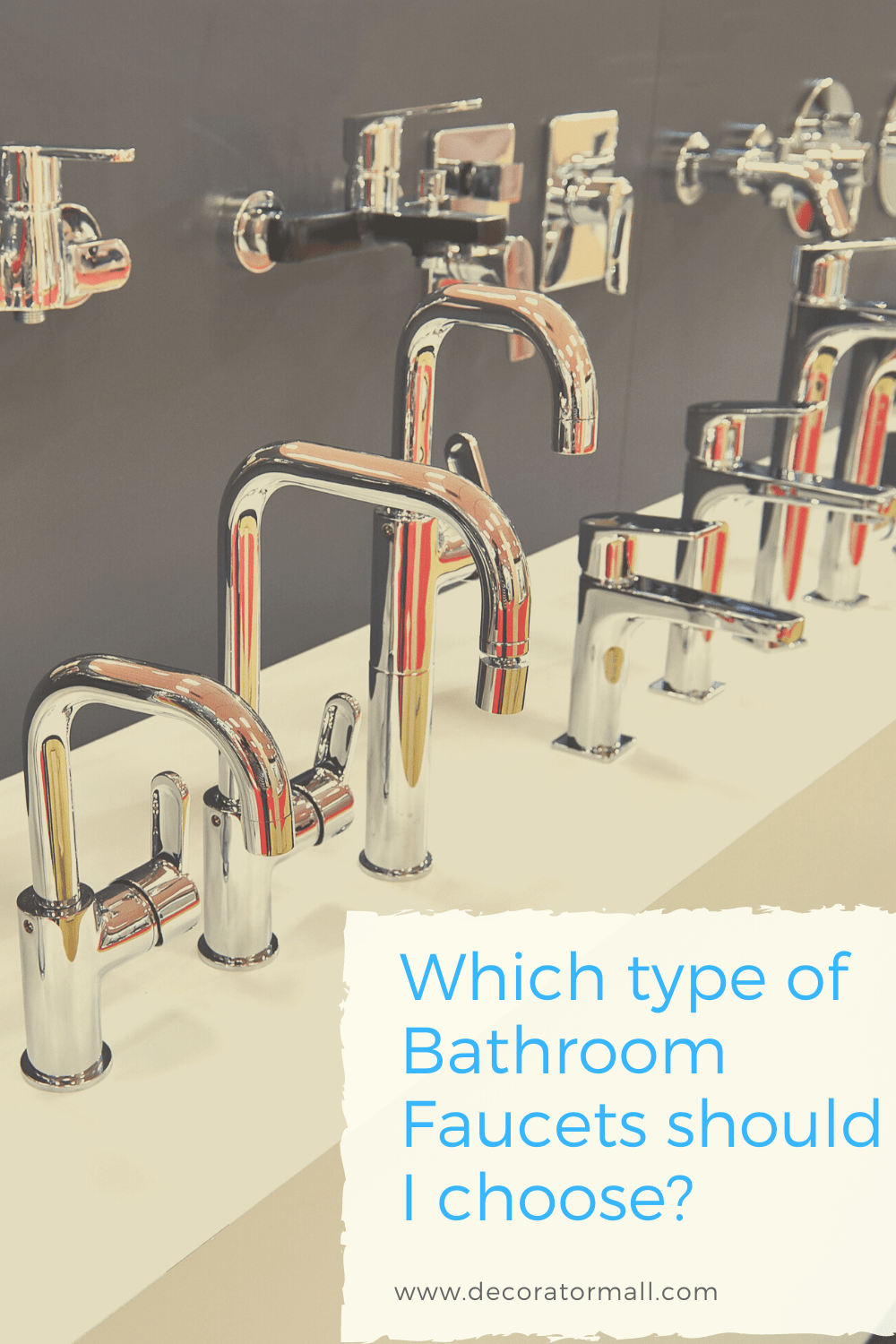
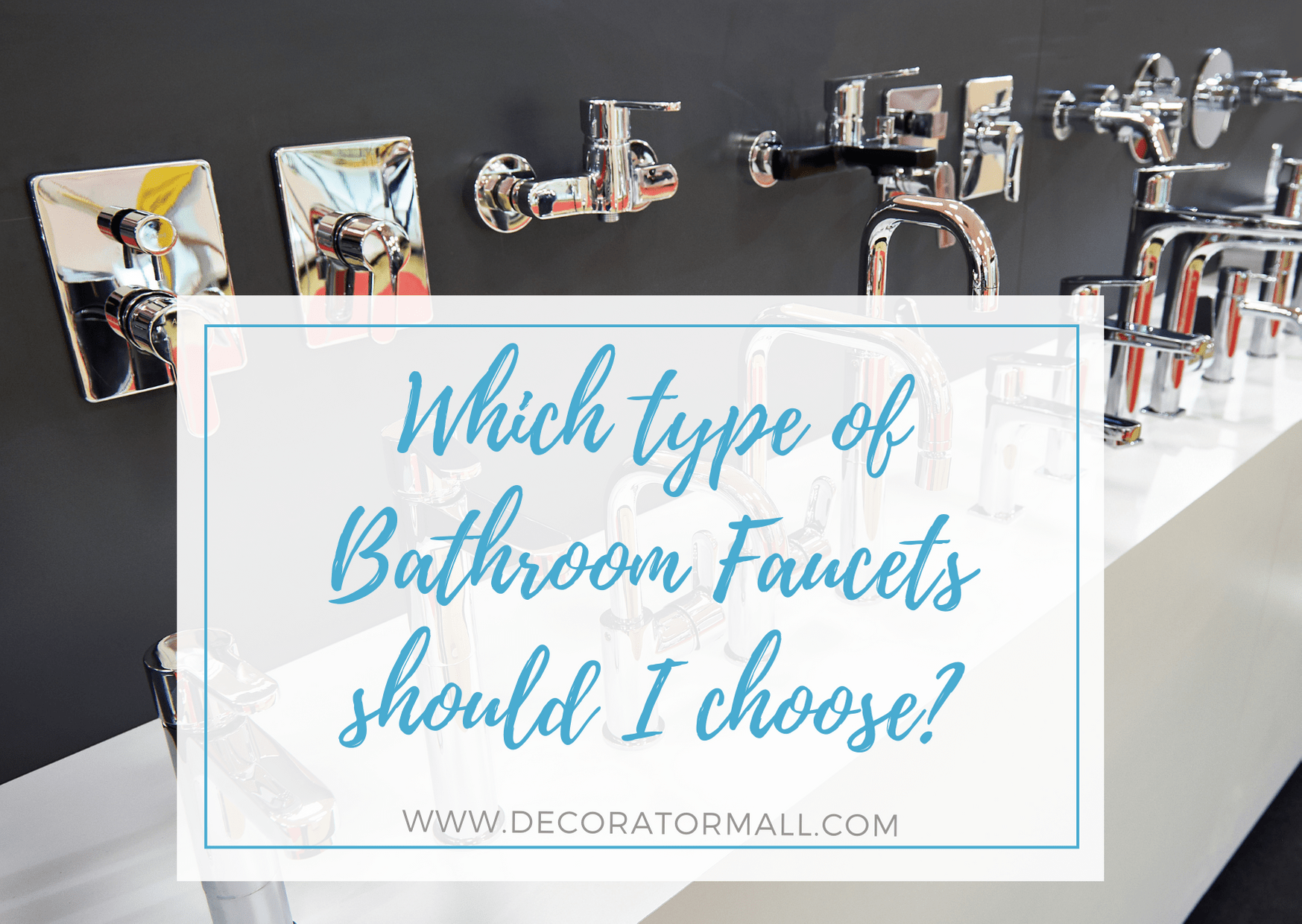
    Bathroom Faucets Types and MaterialsYou will only realize how many types of bathroom faucets there are on the market when you decide to install one in your bathroom. Bathroom faucets are made from many different materials, there are many different brands and they even come in many different colors. In this article we will go over the most important points and features to answer the question which type of bathroom faucets you should choose to get the best bang for your buck.

    For starters bathroom faucets can be categorized based on the materials they are made of. The most common materials that are used to make bathroom faucets are chrome, stainless steel, brushed nickel or brass.

    It is almost impossible to know exactly which one to choose from, especially when you are new in the bathroom renovation process. Design might be another factor when selecting a type of bathroom faucet and also the color or finish.

    To get a better understanding of bathroom faucets before you venture off to buy a specific type of faucet you should know exactly what kinds of faucets are available. Most bathroom faucets, like every other kind of faucet, are categorized based on the materials used to make them.

    Stainless Steel

    The most popular type of bathroom faucets are the ones made from stainless steel. This kind of finish is the most popular due to its durability and long lasting nature. Stainless steel faucets are usually cheaper than other kinds of faucets.

    Nevertheless, the stainless steel type does not fall behind in pros. Steel is durable and therefore it does not tarnish. As a result these types of faucets can last a lifetime. These types of fixtures are also easy to install. You don’t need to be a plumber to know how to do it; just follow the instructions. There are however some disadvantages as well. These are associated with the marks fingertips can easily leave on the steel. Stainless steel can accumulate hard to clean fingerprints very easy.

    Chrome

    One more popular type of bathroom faucets are the ones made from chrome. Chrome bathroom fixtures are fairly common in most older bathrooms. The way they are made is by using the electroplating method on brass and finishing the product with chrome.

    Chrome fixtures are much shinier than stainless steel fixtures and are usually priced reasonably. The price of the faucet depends on design as well so you can find some chrome faucets in high prices. The basic and most important feature of chrome bathroom faucets is that never erode and do not get scratched easily. Although chrome bathroom faucets have many positive features, they have one downside. Water marks easily stain these faucets and after long periods of usage, and after some years, the finish might disintegrate.

    Brass

    Brass is one more material used to make bathroom faucets. This type of faucet is less popular than then chrome and stainless steel ones. Brass faucets are solid, made only from brass and are very durable.

    Durability and style come with a price however and brass bathroom faucets usually cost more than other types. They give out a unique look to every bathroom installed in and really look stylish. The only problem that can occur with a brass faucet is rust. That’s why if you install a brass faucet you should seal it right away. Scratches are another thing, that’s why it will need polishing every now and then.

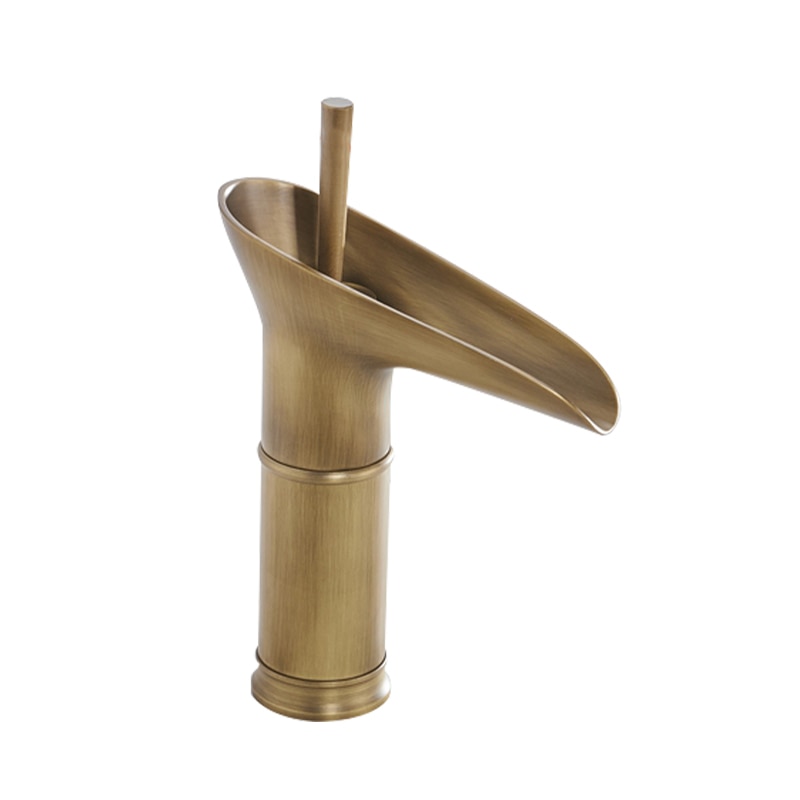
    Antique Brass Waterfall Basin Faucet with High Spout


    Water Saving Bathroom Faucets

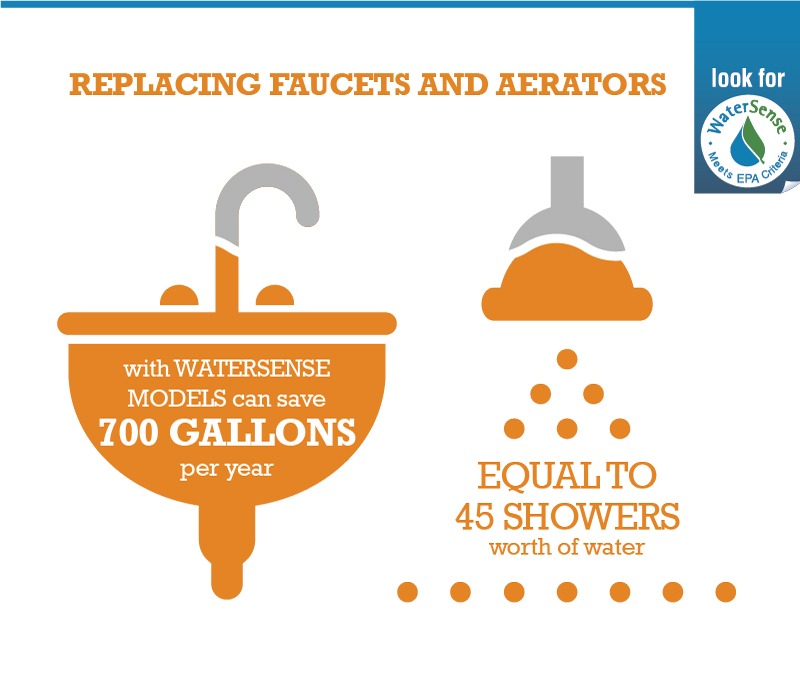
    WaterSense labeled bathroom sink faucetsYou can use up to 50% less water by changing your old bathroom faucets to a new faucet with a flow regulator. For example WaterSense labeled bathroom sink faucets and accessories that use a maximum of 1.5 gallons per minute can reduce a sink’s water flow by 30 percent or more from the standard flow of 2.2 gallons per minute without sacrificing performance. (epa.gov)

    Bathroom Faucets with Cold-Start Function

    Have you every wondered what the Cold-Start or Cool-Start Function is? The cold-start function helps you save energy by limiting the use of hot water. Basically it is a very simple feature that means that only cold water will flow out when you set the lever of the faucet to the middle position. In standard mixers the continuous flow heaters or circulation pump start up immediately when in the middle position, which means wasted energy for heating up water, that you are not using. With Cold-Start or Cool-Start the piping system does not fill up unnecessarily with hot water.

    Here is a video that explains the CoolStart technology by Hansgrohe:

    As you can see there are many types of faucets out there for any prospective buyer to choose from. Deciding on a specific faucet for your bathroom should depend on what exactly you want to do with your bathroom, and how exactly you want it to look.

    Click here to browse our complete collection of bathroom faucets.

    Types of Bathroom FaucetsWhich type of Bathroom Faucets should I choose